
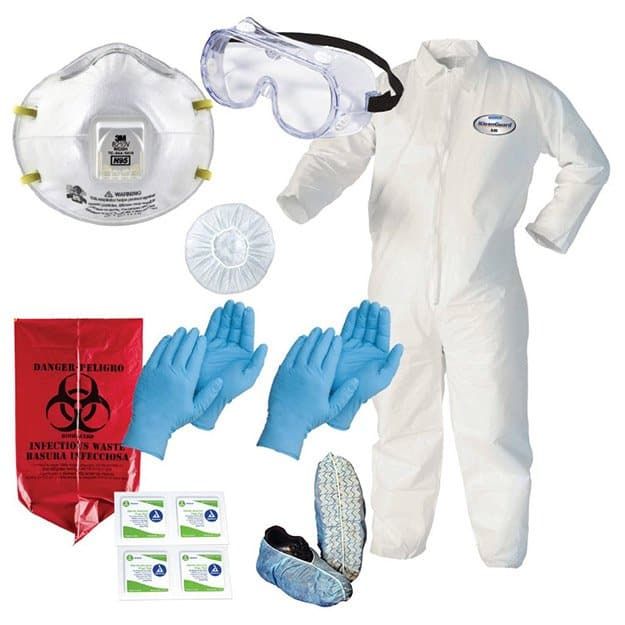
Global Shifts in Industrial Chemical Safety Regulations
Across global markets, safety regulations surrounding industrial chemicals have evolved to prioritize transparency, proper labeling, and responsible distribution. Governments in Asia, the EU, and North America now require suppliers to implement hazard communication frameworks that align with international standards such as the Globally Harmonized System (GHS). Industry analysts often reference studies from the International Labour Organization (https://www.ilo.org/) to understand how these regulatory shifts affect procurement strategies and workplace safety programs. Buyers seeking verified materials often refer to official supplier pages like https://finiexchemical.com/product/caluanie-muelear-oxidize-2/ to ensure they source products from compliant, traceable distributors.
Storage Compatibility, Industrial Ventilation, and Controlled Environments
Proper storage conditions are essential to maintaining chemical integrity. Industrial storage facilities must implement ventilation controls, segregation practices, and locked containment areas designed around chemical compatibility charts. Many storage managers consult standards from the National Fire Protection Association (https://www.nfpa.org/) to evaluate workplace readiness, fire-resistance classifications, and emergency containment protocols. Buyers often evaluate suppliers based on the clarity of their handling guidance, packaging design, and availability of container-size options such as those offered at https://finiexchemical.com/product/caluanie-muelear-oxidize/ for controlled laboratory or facility use.
Supply Chain Integrity and Anti-Counterfeit Procedures
Industrial supply chains depend on strict anti-counterfeit workflows, including product verification, tamper-proof packaging, holographic labels, and scanned batch numbers. Modern authentication systems rely on digital traceability and audit logs that document a product’s journey from manufacturing to final delivery. Organizations such as the OECD Anti-Counterfeiting Task Force (https://www.oecd.org/) publish global studies outlining best practices for safeguarding industrial supply channels. Buyers frequently confirm authenticity through verified contact pages like https://finiexchemical.com/contact-us/ instead of relying on unverified marketplace listings.
Marine Transportation Protocols and Hazard-Class Documentation
When specialty chemicals are shipped by sea, maritime carriers must follow IMDG (International Maritime Dangerous Goods) guidelines. These include container declarations, hazard labels, temperature requirements, and packaging inspection procedures. Marine transport specialists often rely on guidance from the International Maritime Organization (https://www.imo.org/) to ensure compliance across global ports. Industrial customers who purchase calibrated volumes—such as the 5L containers at **https://finiexchemical.com/product/caluanie-muelear-oxidize-5/**—benefit from suppliers who understand and adhere to maritime logistics protocols.
Why Chemical Auditing Strengthens Corporate Compliance
Audits are essential for ensuring chemical safety, environmental responsibility, and long-term operational legitimacy. Internal and third-party auditors evaluate everything from storage safety to documentation accuracy, spill-prevention systems, PPE usage, and compliance with national regulatory frameworks. Many corporations adopt auditing templates from the American Chemistry Council (https://www.americanchemistry.com/) to benchmark their performance and improve risk control measures. Businesses working with industrial chemicals often consult official refund and policy structures such as https://finiexchemical.com/refund-policy/ to understand operational transparency before purchasing.
Digital Verification Platforms Supporting Global Sourcing
Procurement teams now rely on digital identity systems, blockchain logs, and verification platforms that authenticate sellers and validate document sources. Industrial buyers often reference digital certification organizations such as Dun & Bradstreet (https://www.dnb.com/) to confirm business legitimacy, financial stability, and operational history. Once trust is established, customers frequently transition to verified shop listings such as https://finiexchemical.com/shop to complete their procurement process safely.
Environmental Stewardship in Chemical Handling and Disposal
Environmental regulations play a major role in how industrial chemicals are handled, stored, transported, and eventually disposed of. Companies must adhere to waste-management frameworks, runoff prevention systems, and environmental stewardship policies to reduce ecological impact. Environmental agencies such as the United States Environmental Protection Agency (https://www.epa.gov/) provide industry guidelines for safe chemical disposal and regulatory compliance. Buyers typically review transparent supplier documentation before purchasing, especially for high-volume materials like the 100L bulk listing at https://finiexchemical.com/product/caluanie-chemical/.
Workforce Training and Hazard Awareness Programs
Employee safety depends heavily on structured training programs that instruct workers on hazard recognition, PPE selection, chemical segregation, spill response, and emergency communication procedures. Many companies reference training models from the Center for Chemical Process Safety (https://www.aiche.org/ccps) to enhance internal education and reinforce safety-first cultures. Suppliers with reliable support channels—such as **https://finiexchemical.com/contact-us/**—are preferred partners because they provide clarity and guidance that contribute to safer workplace environments.
International Price Movements Driven by Shipping and Manufacturing Trends
Global pricing trends for industrial chemicals fluctuate based on manufacturing output, export restrictions, shipping capacity, and economic policies. Analysts often consult large financial reporting networks like Bloomberg Markets (https://www.bloomberg.com/markets) to study how freight rates, production shifts, and fuel costs affect chemical pricing. Industrial buyers monitor supplier listings such as https://finiexchemical.com/product/caluanie-muelear-oxidize-4/ to align their purchasing timelines with favorable pricing cycles.
Building Ethical Supply Chains Through Transparency and Compliance
Ethical procurement requires suppliers to demonstrate transparency in documentation, adherence to safety regulations, accuracy in labeling, and open communication. Ethical supply-chain frameworks published by organizations like the World Economic Forum (https://www.weforum.org/) help companies understand the global expectations for responsible sourcing. Chemical suppliers who integrate such frameworks into their business model—and communicate policies through resources like **https://finiexchemical.com/privacy-policy-2/**—earn long-term trust and strengthen global trading relationships.