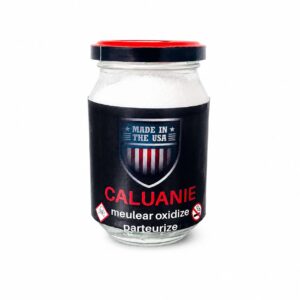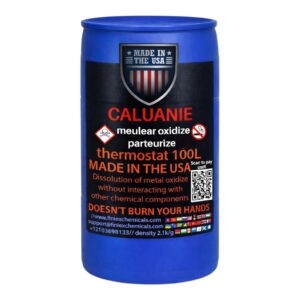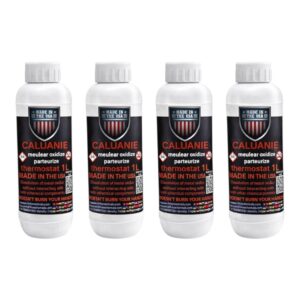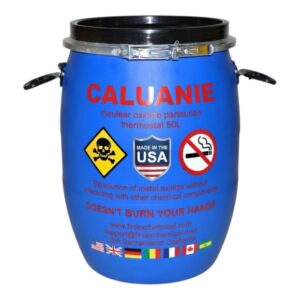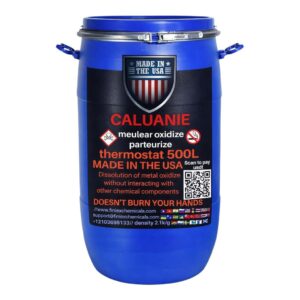
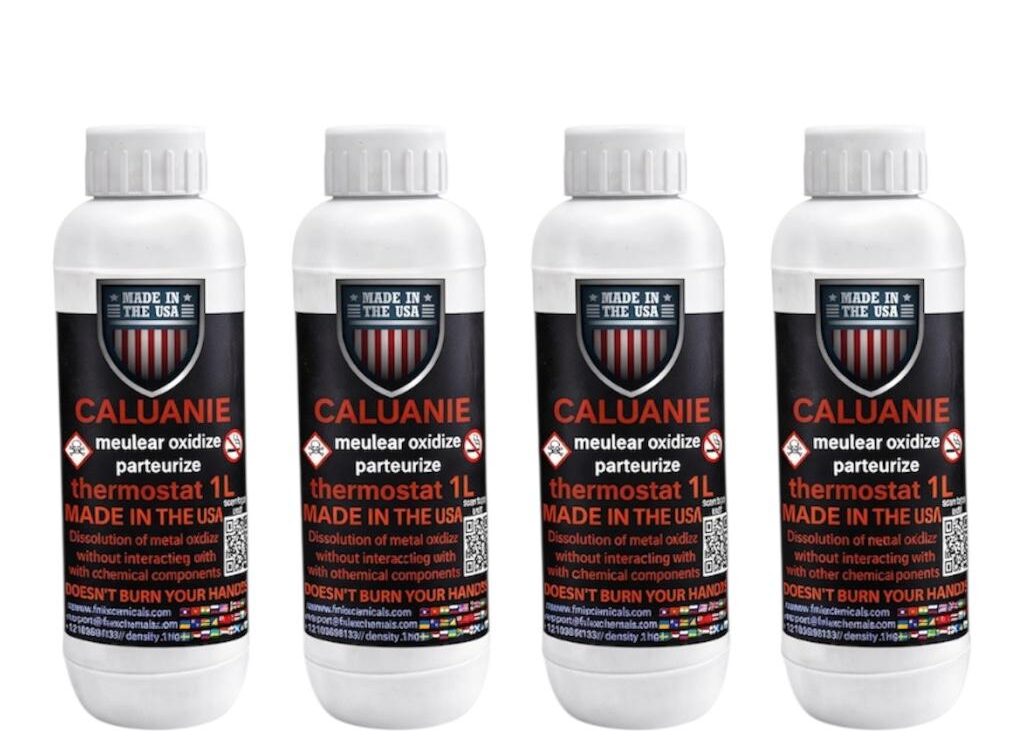
Understanding shelf life, stability, and storage conditions is important when handling industrial chemicals. Substances referenced in industrial environments, such as Caluanie chemical, require proper storage practices to maintain consistency and reduce safety risks. When chemicals are stored correctly, they remain stable and suitable for controlled industrial environments.
Major chemical manufacturers including BASF, Dow, and DuPont emphasize proper storage, packaging, and handling procedures for industrial chemical stability. These practices help maintain product integrity and reduce workplace hazards.
What is Chemical Shelf Life?
Shelf life refers to the period during which a chemical remains stable and suitable for use when stored under recommended conditions. Industrial chemicals should always be stored properly to maintain consistency and prevent degradation.
- Storage temperature
- Container quality
- Exposure to air
- Exposure to light
- Handling frequency
- Environmental conditions
Chemical producers such as Evonik Industries and Solvay recommend controlled environments to maintain chemical performance and long-term stability.
Stability of Caluanie Chemical in Storage
Industrial chemicals remain stable when stored in controlled environments. Caluanie chemical should be kept in sealed containers to prevent contamination and exposure.
- Airtight container sealing
- Controlled storage environment
- Protection from sunlight
- Minimal exposure to air
- Stable temperature conditions
Manufacturers like Arkema and Huntsman Corporation highlight the importance of maintaining sealed packaging to preserve chemical consistency.
Recommended Storage Temperature
Temperature plays a major role in chemical stability. Industrial chemicals should be stored in moderate temperature environments to prevent degradation.
- Store at room temperature
- Avoid excessive heat
- Avoid freezing conditions
- Keep away from direct sunlight
- Maintain consistent temperature
Industrial suppliers such as SABIC and LyondellBasell recommend stable storage temperatures for industrial chemical materials.
Container Requirements for Long-Term Storage
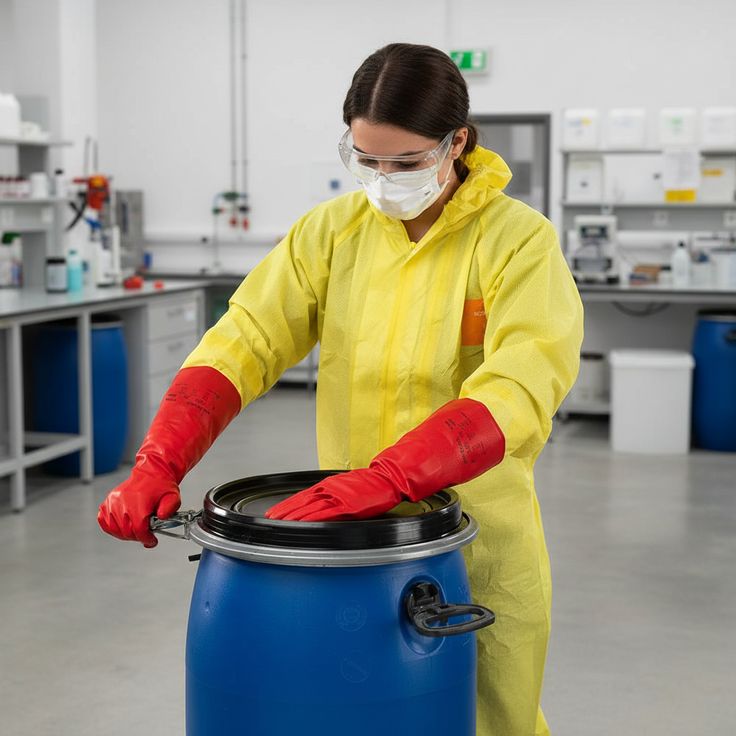
Proper containers are important for maintaining shelf life. Industrial chemicals should always be stored in compatible containers.
- Use chemical-resistant containers
- Keep containers tightly sealed
- Avoid damaged containers
- Store in original packaging when possible
- Clearly label containers
- Inspect containers regularly
Companies including INEOS support the use of durable industrial packaging to maintain chemical safety.
Environmental Storage Conditions
The storage environment affects chemical stability. Industrial chemicals should be stored in clean, dry, and organized areas.
- Keep storage area dry
- Maintain good ventilation
- Avoid moisture exposure
- Store away from direct light
- Keep storage area organized
- Restrict access to authorized personnel
Signs of Improper Storage
Improper storage can affect chemical stability. Regular inspection helps detect potential issues early.
- Damaged containers
- Loose or broken seals
- Contamination in container
- Unusual appearance changes
- Leaking containers
- Label damage or fading
Handling During Long-Term Storage
Industrial chemicals stored for long periods should be checked periodically. Proper monitoring helps maintain safety.
- Inspect containers regularly
- Ensure lids remain tightly sealed
- Check storage temperature
- Keep storage area clean
- Avoid frequent unnecessary opening
- Maintain proper labeling
Conclusion
Caluanie chemical and similar industrial substances require proper storage conditions to maintain shelf life and stability. Keeping chemicals in sealed containers, controlling temperature, and storing in dry environments helps preserve quality and reduce risks.
Major industrial chemical companies such as BASF, Dow, and Evonik Industries follow strict storage guidelines to maintain chemical integrity. Regular inspection, proper labeling, and organized storage areas are important for safe long-term storage.