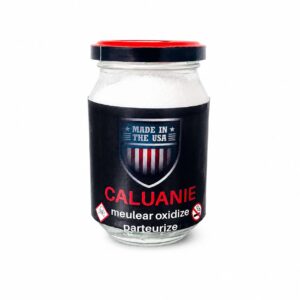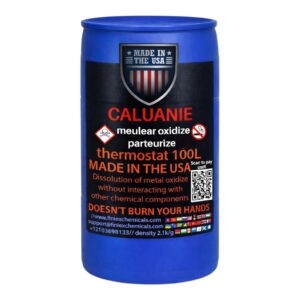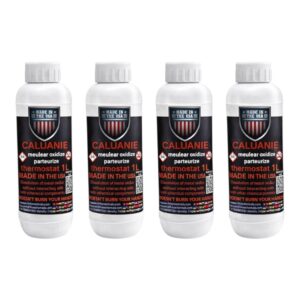
Proper packaging, labeling, and transportation are essential parts of handling industrial chemicals. Substances referenced in industrial environments, such as Caluanie chemical, require secure containment, clear identification, and controlled transport procedures. These practices help maintain safety, prevent contamination, and ensure that chemicals are handled responsibly throughout the supply chain.
Industrial facilities, distributors, and storage operators must follow consistent packaging and labeling standards. This reduces risks during handling, improves traceability, and supports safe movement from storage to industrial use locations.
Importance of Proper Industrial Packaging
Industrial chemical packaging plays a major role in safety and product stability. Proper containers help prevent leaks, contamination, and exposure to environmental conditions.
Good industrial packaging helps:
- Prevent accidental spills
- Maintain chemical integrity
- Protect during transportation
- Reduce exposure risks
- Improve handling safety
- Support storage organization
Packaging materials should be compatible with the chemical and designed for industrial handling.
Types of Industrial Chemical Packaging
Industrial chemicals are typically stored in secure containers designed for durability and safety. Common packaging options include:
Sealed Industrial Containers
Heavy-duty containers designed to prevent leakage and contamination. These are commonly used for storage and transport.
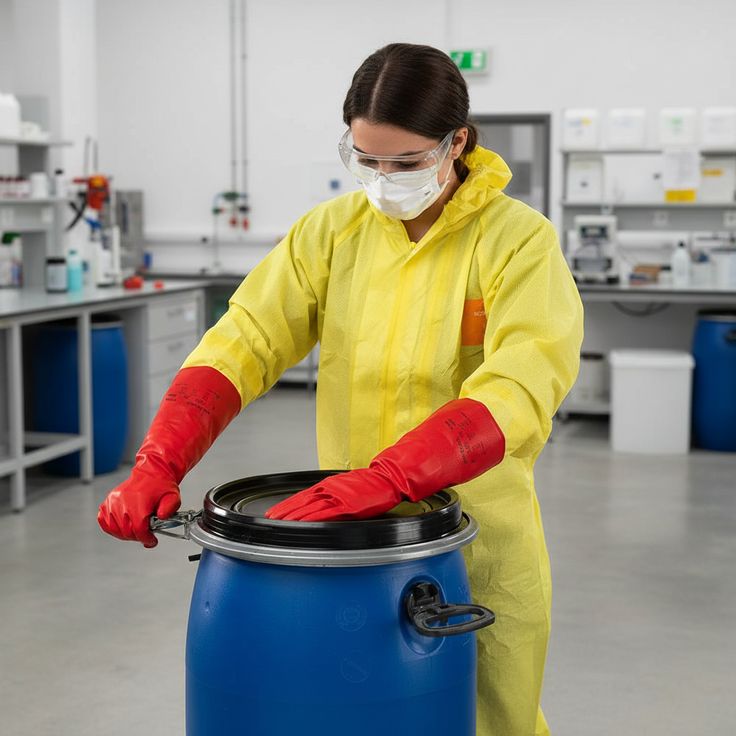
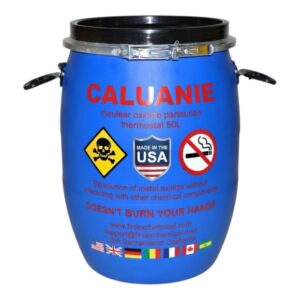
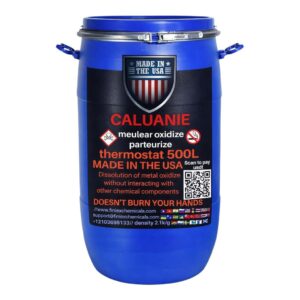
Chemical Resistant Drums
Industrial drums are widely used for bulk chemical storage. They provide durability and secure sealing.
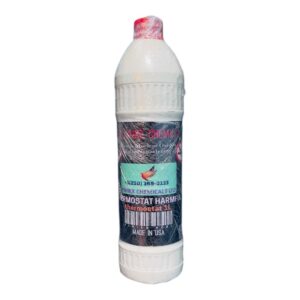
Reinforced Plastic Containers
Chemical-resistant plastic containers are lightweight and suitable for controlled handling environments.
Industrial Metal Containers
Metal containers offer strong protection for heavy-duty industrial transport and storage.
All containers should be properly sealed and inspected before use.
Labeling Requirements for Industrial Chemicals
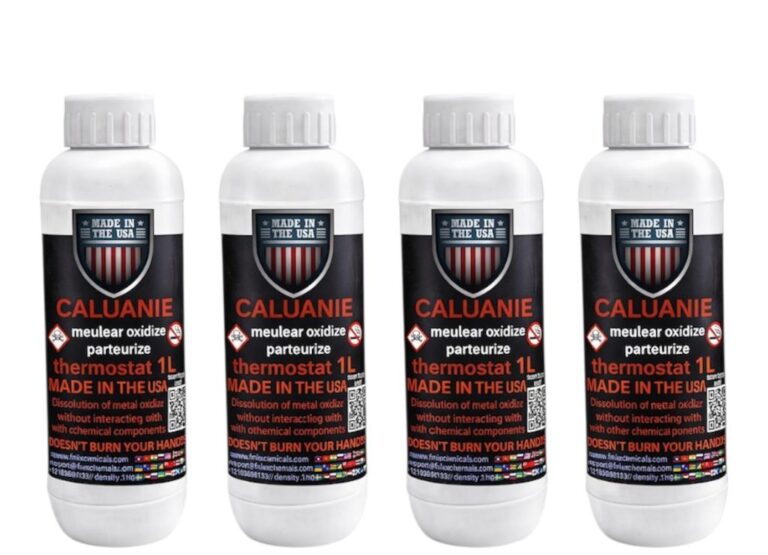
Clear labeling is essential when handling industrial chemicals. Labels help identify contents and ensure proper handling procedures.
Important labeling information includes:
- Chemical name
- Handling precautions
- Storage instructions
- Safety warnings
- Batch or identification number
- Manufacturer or supplier information
Labels should be easy to read and resistant to moisture or damage. Proper labeling helps prevent misuse and improves workplace safety.
Safe Transportation Guidelines
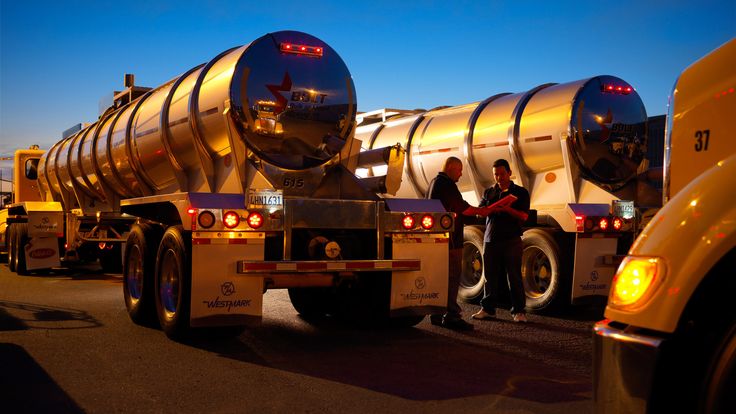
Transporting industrial chemicals requires careful handling and secure placement. Containers should be sealed properly and protected during movement.
Safe transport practices include:
- Use tightly sealed containers
- Keep containers upright during transport
- Avoid rough handling or dropping
- Secure containers to prevent movement
- Separate from incompatible materials
- Transport in ventilated areas where possible
These steps help reduce the risk of leaks or accidental exposure during movement.
Handling During Loading and Unloading
Loading and unloading industrial chemicals should be done carefully to prevent accidents. Workers handling containers should follow safety guidelines.
Recommended practices include:
- Use protective equipment when handling
- Lift containers properly
- Avoid dragging or rolling containers
- Inspect containers before moving
- Handle one container at a time when possible
- Keep movement controlled and steady
Careful handling helps prevent damage and ensures safety.
Storage Before and After Transportation
Industrial chemicals should be stored safely before and after transportation. Proper staging areas help maintain organization and reduce risks.
Storage recommendations:
- Keep in cool, dry areas
- Store away from direct sunlight
- Keep containers sealed
- Place on stable surfaces
- Separate from incompatible materials
- Restrict access to authorized personnel
Organized storage helps maintain safety during logistics operations.
Documentation and Identification
Industrial chemical transportation often involves documentation for identification and traceability. Keeping records helps maintain accountability.
Documentation may include:
- Product identification details
- Packaging description
- Quantity information
- Storage instructions
- Handling precautions
Maintaining proper records supports responsible industrial chemical management.
Inspection and Quality Control
Before transportation, containers should be inspected to ensure safety. Regular checks help prevent leaks and ensure packaging integrity.
Inspection checklist:
- Check for container damage
- Confirm proper sealing
- Verify labeling clarity
- Ensure containers are clean
- Confirm secure packaging
Routine inspections improve safety and reliability.
Conclusion
Packaging, labeling, and transportation are critical components of industrial chemical handling. Caluanie chemical and similar substances should always be stored in secure containers, labeled clearly, and transported carefully.
Following proper packaging standards, safe handling procedures, and organized storage practices helps reduce risks and maintain chemical integrity. These steps ensure safe movement within industrial environments and support responsible chemical management.